Building for the Future: JEFIC Funds Energy Efficiency in Moldova's Public Sector
May 14, 2026
This article was written by Valerio Benigni, a student at the Walter Tobagi School of Journalism in Italy.
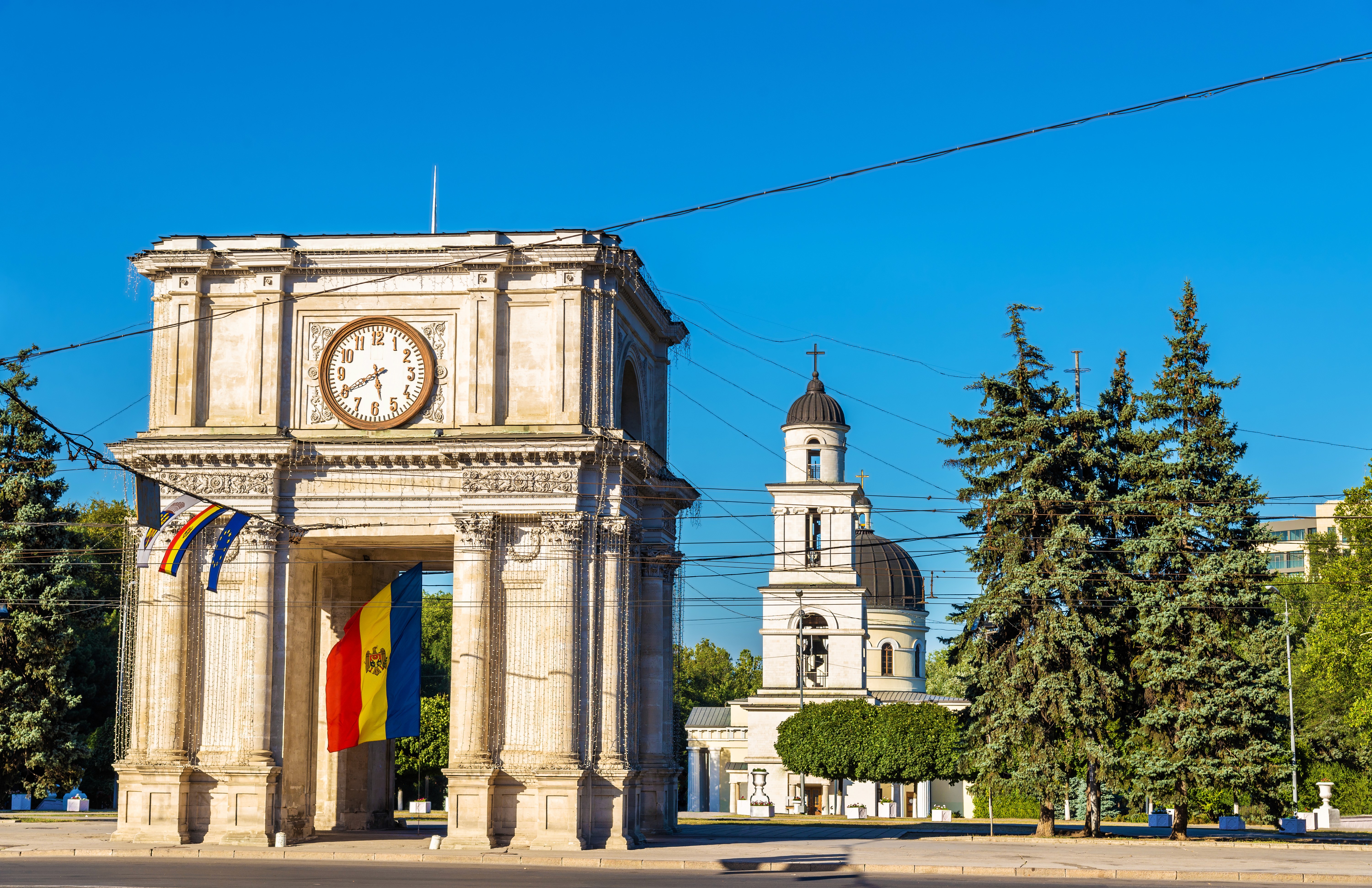
Among the countries benefiting from Joint European Financiers for International Cooperation (JEFIC) projects is one with such strong ties to Europe and the European Union that it has begun the accession process and has even enshrined EU membership as a goal in its Constitution. This is Moldova, a country of about 3.5 million people situated between Romania and Ukraine.
The country has access to €73 million, provided through a joint project involving KfW, the German public bank for reconstruction and development, which will contribute a total of €38.7 million, and the Agence française de développement (AFD), contributing €30 million.
The aim of the initiative is to improve the energy efficiency of public buildings in the health and education sectors, specifically 14 regional hospitals and 16 vocational schools and universities. The hospitals identified are located throughout the country, in towns such as Cahul, Causeni, Ungheni and Drochia, whilst the higher education buildings, mainly student halls of residence, are concentrated primarily in the capital, Chișinău.
Beyond reducing energy consumption, and in line with JEFIC's core mission of improving quality of life through sustainable infrastructure investment, the project aims to make a tangible difference for the people who use these buildings every day: improving working and living conditions in hospitals and student residences, enhancing accessibility for people with reduced mobility, and strengthening the buildings' resilience to extreme weather events such as heatwaves and flooding.
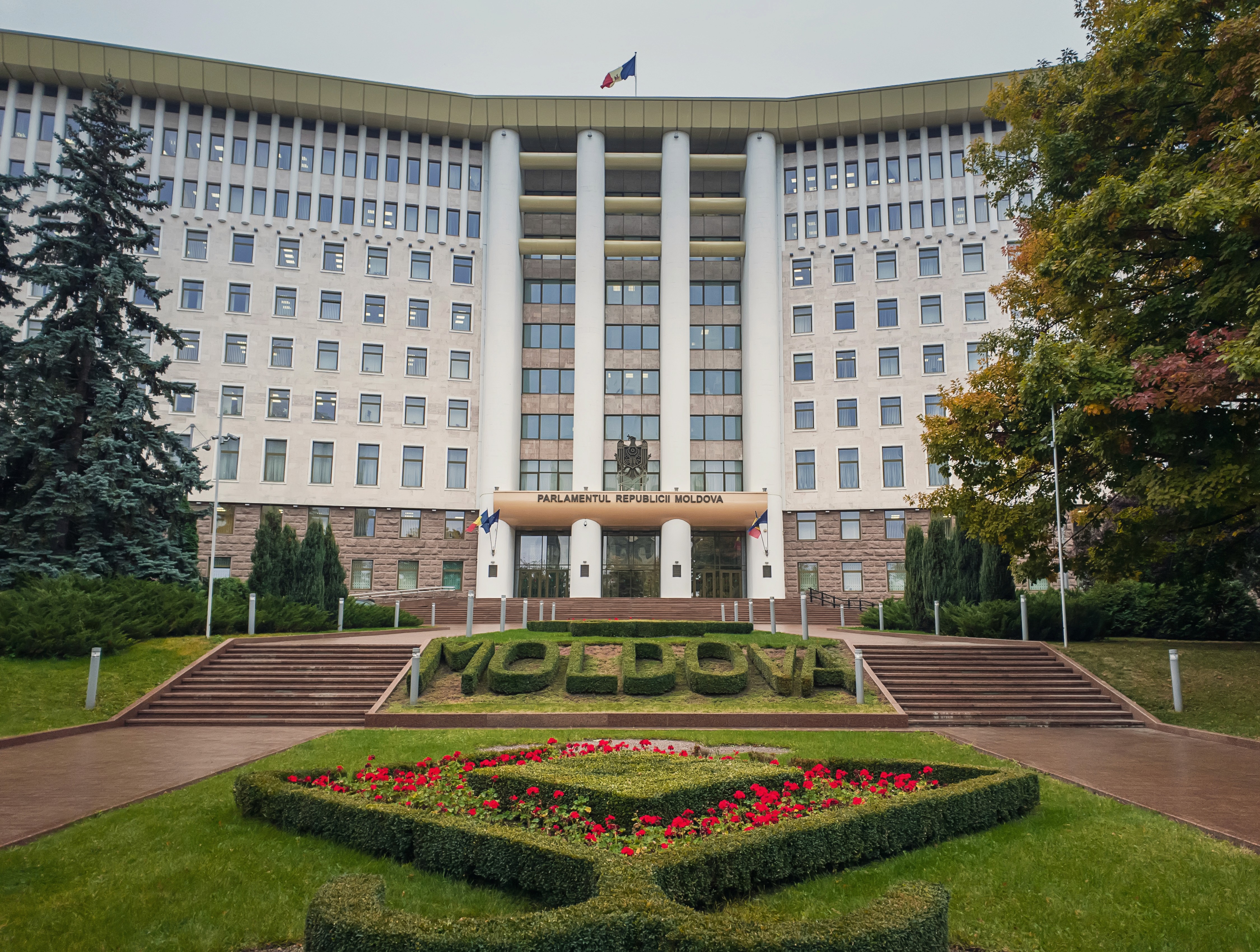
The project is set in a country which, due to its geographical location, lies halfway between the European Union and Russia, with the resulting influences giving rise to differing trends in national politics. A part of Moldova, the region of Transnistria, with its capital Tiraspol, declared itself autonomous during the break-up of the Soviet Union and, although not recognised by the UN as an independent state, has a conflictual relationship with the government in Chișinău. This is a particularly significant issue given that, whilst Moldova looks to the West and towards integration with the European Union, Tiraspol continues to maintain close ties with Moscow, including economic and, in particular, military support, with contingents of Russian soldiers stationed in the country. An important region of Moldova, home to just under 500,000 inhabitants and home to an economic giant such as Sheriff, thus remains in limbo. The paths of Chișinău and Tiraspol have diverged for more than thirty years, and reunification through negotiation is becoming increasingly difficult, partly as a consequence of the Russian invasion of Ukraine in 2022 and Transnistria’s role as a pro-Russian satellite in the region. The unresolved dispute also makes access to the European Union more difficult and remains one of the most pressing issues for Moldova, which recently presented a plan directly to Transnistria’s separatist government, bypassing the traditional talks that also included Moscow, Kyiv and the OSCE.
However, the divisions are not merely regional; the divide between those looking westward and those looking eastward is also a generational and social one. On the one hand, a segment of the population, particularly urban and younger generations, views European integration as the primary path to development. On the other hand, vast rural areas and older generations maintain cultural and emotional ties with the former Soviet and Russian world, perceived not as oppression but as a horizon of lost stability.
This is also reflected in a significant migration phenomenon. Between 2021 and 2025, around 200,000 people left the country. Those leaving are mainly young people and skilled workers, drawn by the opportunities available in EU member states, including neighbouring Romania, but not only there. Those who remain face a difficult daily life: over a third of the population lives below the poverty line, access to essential services is often precarious, and the cost of energy, following the decoupling from Russian supplies, has risen sharply.
The road to improvement is a difficult one, but the Moldovans chose, through their vote in October 2024, to follow it in the spirit of the European Union. Driven mainly by young people and those who have moved abroad, either temporarily or otherwise, the referendum on EU membership saw the ‘yes’ vote prevail, albeit by a narrow margin, and has set Chișinău on a path – theoretically irreversible – towards the twelve stars on a blue background.
Valerio Benigni