From Climate Partnership to Green Housing: Scaling Up “Mivivienda Verde” in Peru
May 14, 2026
This article was written by Giacomo Candoni, a student at the Walter Tobagi School of Journalism in Italy.
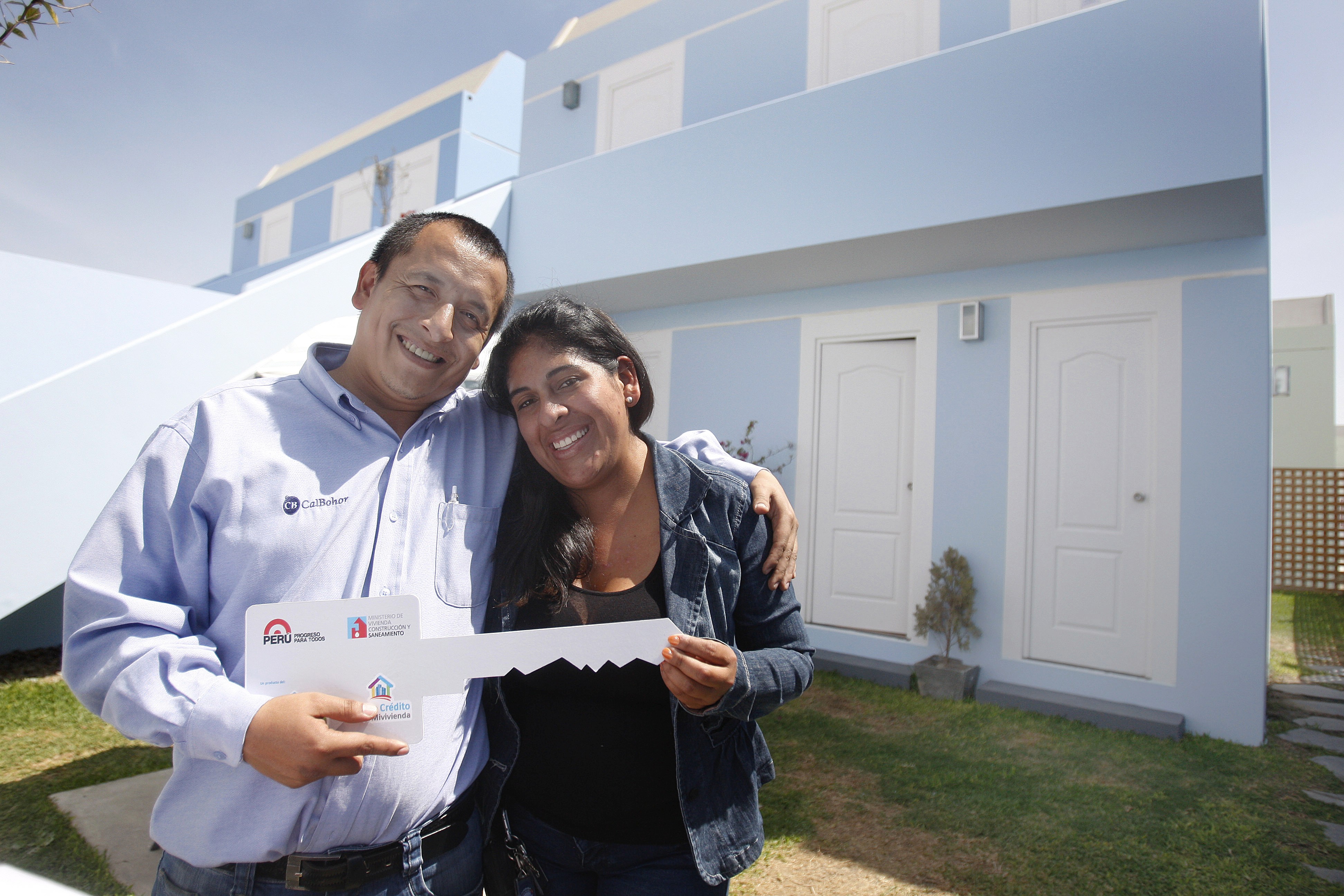
Promoting more sustainable cities, improving access to housing, and reducing the environmental impact of construction: these are the core objectives of the collaboration between Germany and Peru under the “Mivivienda Verde” program. This is Peru’s first major sustainable housing initiative, developed in partnership with the Agence française de développement (AFD). The project is part of the JEFIC cooperation agreement, a partnership among European financial institutions that supports and promotes emerging economies and developing countries.
The project, now in its third phase, is financed through a loan with an interest rate significantly lower than the market rate, making it economically sustainable as well. In this case, part of the interest is subsidized by the German government and the French public agency responsible for financing development assistance. The previous phases were funded and successfully implemented between September 2019 and December 2021, and based on these experiences, the need for increasingly stringent subsidy criteria has emerged.
From this perspective, the use of low-interest loans is essential to continuing the project and ensuring ongoing improvements. In fact, this financing leads to reductions in greenhouse gas emissions, increases resilience to climate change, and has a demonstrable promotional effect on social housing construction by lowering retail interest rates. To formalize the cooperation between Germany and Peru, a climate partnership was signed in November 2022 that complements and supports the development cooperation initiated in 2019 to ensure essential urban services (water, mobility, energy, and waste management) in a sustainable manner for an increasing number of people.
At present, the political situation in the Andean country is far from stable. On April 12, 2026, general elections were held to renew the Parliament and elect the President of the Republic, who in Peru also serves as head of government. The electoral authority set May 15 as the deadline to complete the vote count and announce the two candidates advancing to the presidential runoff, which is necessary since no candidate reached the 50% of votes required for direct election. The three leaders at the top of the partial results are Keiko Fujimori, leader of the right-wing Popular Force party; Rafael López Aliaga of the ultra-conservative Popular Renewal party; and Jorge Nieto, former minister of Defense and Culture and founder of the centrist Party of Good Government.
Whoever is elected will be the tenth president in ten years. The various corruption scandals that have rocked the country in recent years have also contributed to the political landscape’s severe instability. Suffice it to say that four former Peruvian presidents have been sentenced to prison, three of them for corruption or money laundering.
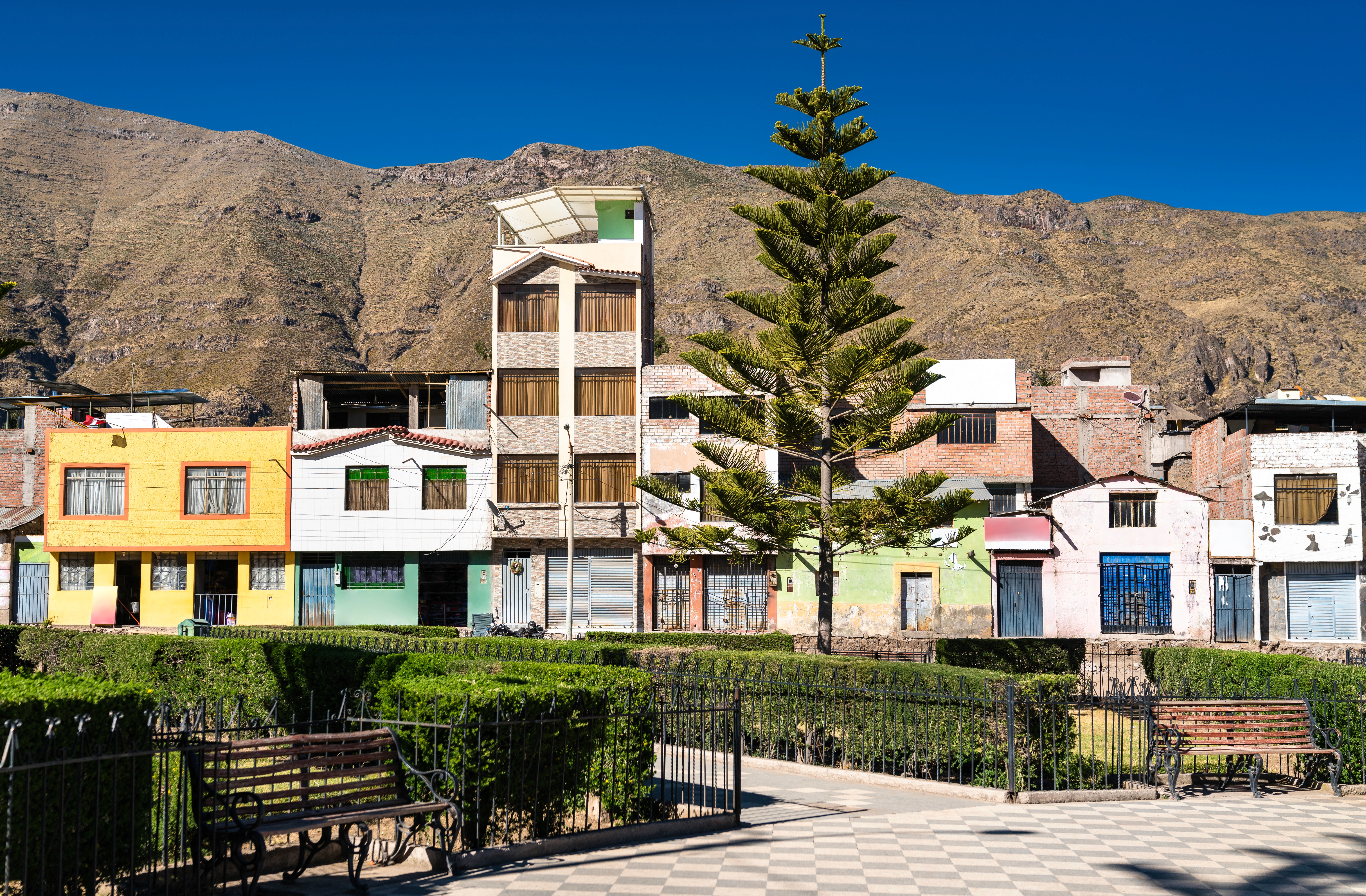
This political instability reverberates throughout society, exacerbating a housing crisis defined less by a shortage of roofs than by the widespread precariousness of existing structures. According to 2024 INEI data, this phenomenon affects 10.1% of households, underscoring a primarily structural crisis. While the absolute lack of housing (quantitative deficit) remains a minority issue at 2.1%, the true social scourge is the 8% qualitative deficit: families relegated to dilapidated dwellings built from fragile materials like adobe or mats, lacking basic access to clean water and sanitation. This vulnerability is more pronounced in rural areas, where the deficit jumps to 12.9%, but the urban situation is particularly alarming: in cities, the percentage of substandard homes has risen over the past year from 6.4% to 6.8%, a sign of rapid and informal urbanization that is outpacing the capacity of public infrastructure to respond. Against this backdrop, the cooperation initiated with Germany and France represents an important starting point for improving the quality of life for Peruvians by implementing housing services with a view to economic and environmental sustainability.
Giacomo Candoni